Why Early Detection Matters
Early disease detection saves lives—and free medical checkups play a key role in making that possible. When individuals receive regular health evaluations, conditions such as diabetes, hypertension, and heart disease can be identified before they become serious or life-threatening. Free medical checkups remove cost barriers, ensuring that more people can benefit from preventive care regardless of their financial situation.
These programs also contribute to better management of chronic diseases, allowing healthcare providers to monitor at-risk individuals and deliver timely interventions. By catching conditions early, free medical checkups help reduce hospitalizations, improve patient outcomes, and lower healthcare costs in the long run.
Preventive Care and Community Health
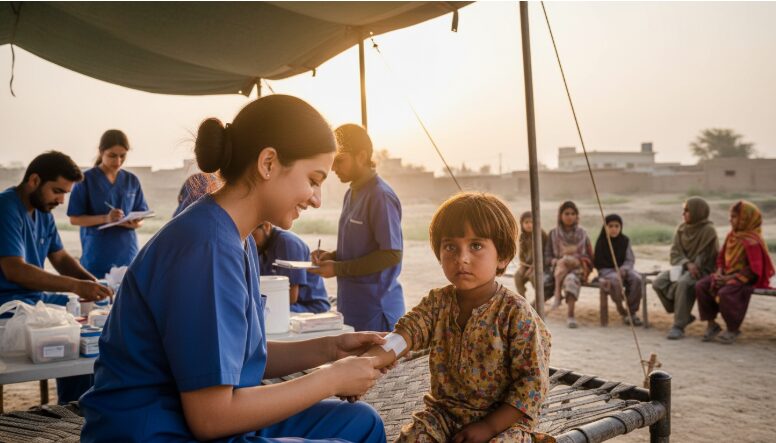
Preventive care is the cornerstone of a healthy society. Regular GP visits and diagnostic tests enable individuals to maintain optimal health and prevent the onset of chronic illnesses. Community clinics and mobile health clinics play an essential role by providing bulk billing and accessible services to underserved populations.
Through these clinics, people can access women’s health screenings, men’s health services, and family checkups without the burden of out-of-pocket expenses. Aboriginal health checks, for example, are specialized programs designed to address the unique healthcare needs of Indigenous communities, improving equity in healthcare access.
Breaking Barriers with Affordable Healthcare
One of the most significant benefits of free medical checkups is affordability. Cost often deters individuals from visiting a doctor until symptoms become severe. Free or bulk-billed checkups, supported by public health services and programs like Medicare, ensure that preventive care is available to all.
Affordable healthcare initiatives also empower families to prioritize wellness. Parents can bring their children for routine checkups, vaccinations, and health risk assessments, promoting a culture of prevention that spans generations.
The Connection Between Free Checkups and Early Detection
Free medical checkups provide a structured pathway to early detection. Screenings for blood pressure, cholesterol, and glucose levels can reveal potential red flags long before major health issues develop. Diagnostic tests and wellness programs offered through these initiatives help identify chronic diseases, infections, and even cancers in their initial stages.
By integrating early detection with ongoing patient education, healthcare providers can encourage individuals to adopt healthier lifestyles and adhere to prescribed treatments. This proactive approach improves overall health outcomes and reduces strain on emergency and hospital services.
Wellness Programs and Public Health Impact
Free medical checkups often serve as gateways to broader wellness programs. These may include nutrition counseling, exercise plans, and chronic disease management support. Such programs are crucial for helping patients transition from reactive to proactive health management.
Public health services benefit immensely from these initiatives, as early detection helps identify emerging health trends within communities. This data allows health authorities to implement targeted prevention campaigns, allocate resources efficiently, and reduce the overall burden of disease.
Conclusion
Free medical checkups are a simple yet powerful way to enhance early disease detection and promote community wellness. They represent a practical blend of preventive care, affordability, and accessibility—ensuring that everyone has the opportunity to live a healthier life.