Imagine a world where every community can access the resources they need to thrive. This vision isn’t just a fairytale—it’s achievable through sustainable development partnerships that harness the strengths of various sectors. At the heart of this mission lies one undeniable truth: collaboration is the key to overcoming the most pressing challenges of our time. Partnerships amplify our impact, ensuring no one gets left behind in crafting a better future for all.
Understanding Sustainable Development Partnerships
There’s a beautiful simplicity in what we call sustainable development partnerships; they’re all about joining forces for a common goal. These alliances bring together governments, NGOs, businesses, and local communities to address issues like poverty, education, health, and the successful delivery of community development projects. Each partner brings something unique to the table—think of it as a potluck where no one shows up with potato salad. You get the best ideas, resources, and local knowledge, cooking up solutions that can change lives.
The United Nations Sustainable Development Goals (SDGs) serve as a backdrop for these partnerships, guiding everyone toward a shared vision of a fair and just world. Think of it as a roadmap to success, with each milestone achievable through collaboration. Why go at it alone when you can form power-couple-level partnerships that make an even bigger difference?
The Need for Cross-Sector Collaboration
Now, let’s hit pause for a second. Isn’t it easier to work solo? Sure! But remember that scene when the hero tries to take down the villain alone? Spoiler alert: it doesn’t work out well. In the world of sustainable development, collaboration is essential, breaking down the silos that often plague NGO, government, and community efforts.
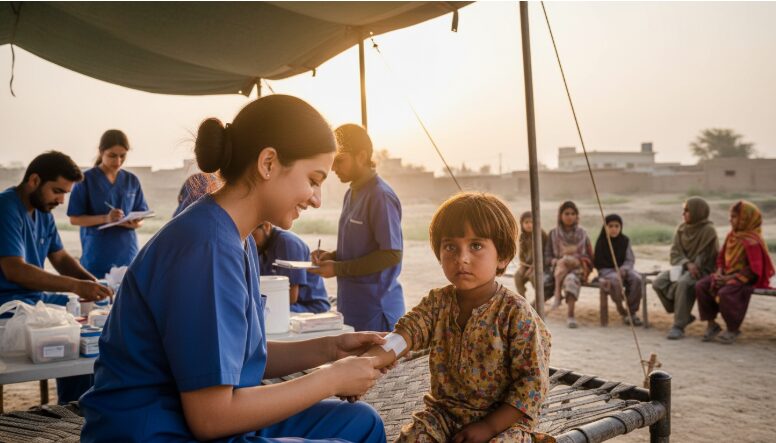
The role of NGOs, governments, and communities is best described as a fabulous dance—each partner has unique moves, but they must be in sync. When they connect, they amplify their strengths. Governments can provide funding and policy support, NGOs can contribute expertise and on-the-ground presence, and communities bring lived experiences and local insights.
Here’s an eye-opener: studies repeatedly show that collaborative efforts yield better results than isolated actions. A research report from the World Bank demonstrates that collective action significantly enhances project performance and local impact. So, if you’re thinking about tackling this all by yourself—don’t!
Successful NGO Partnerships: Driving Collective Impact
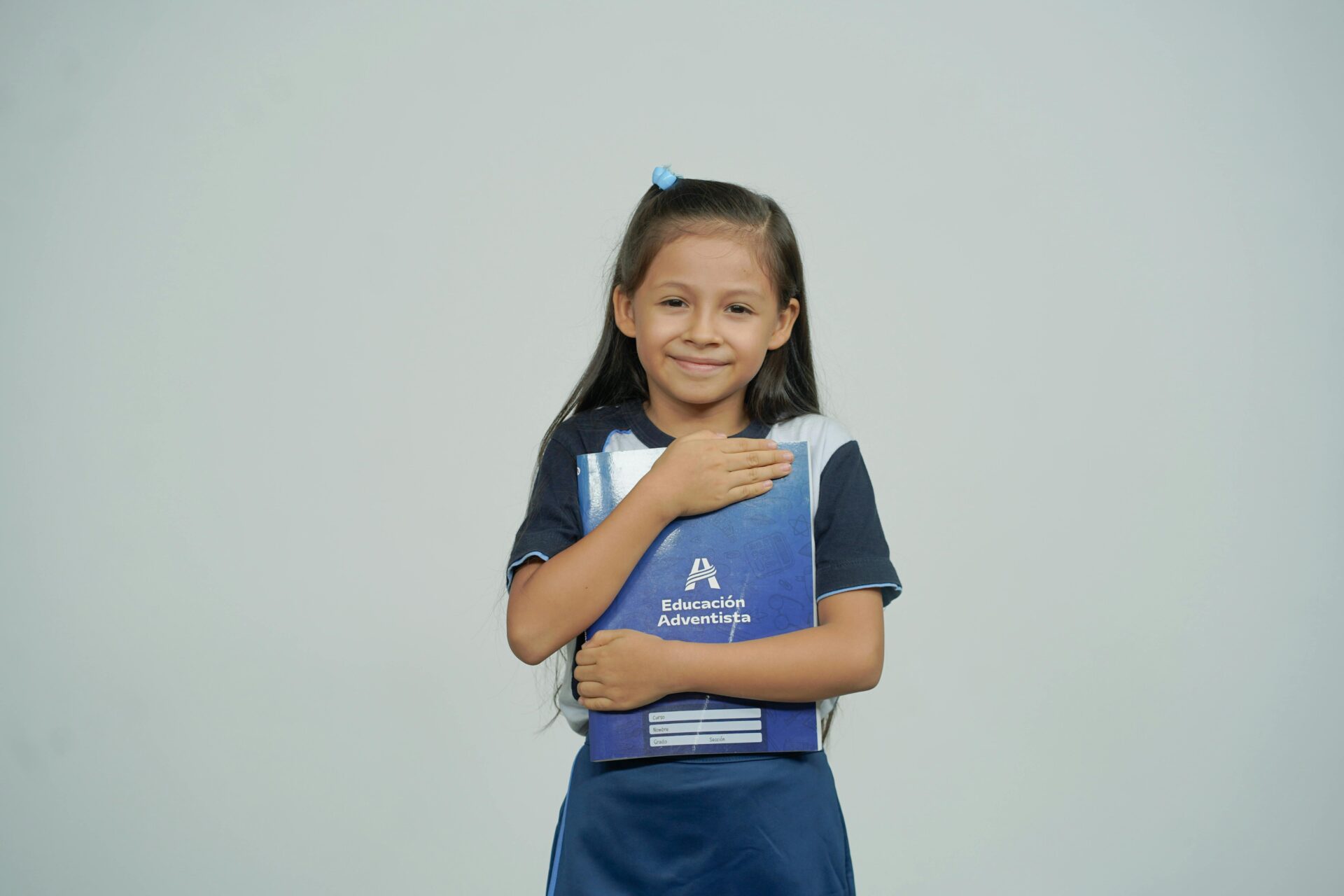
Let’s talk about real-life stories that illustrate just how powerful partnerships can be. The Partners In Progress Foundation has seen firsthand how cooperation magnifies impact. For instance, one initiative focused on educational access involved local schools, health organisations, and government bodies working together. This trifecta pooled resources and knowledge, creating student services that addressed health issues and learning obstacles simultaneously. The twist? Participation skyrocketed!
Another example features a collaboration between PIP and various local organisers facilitating community health workshops. While one organisation provided training, another arranged logistics, and yet another distributed resources. The results? A whirlwind of community engagement that ignited conversations about health, nutrition, and well-being—sparking not just change but a movement!
These are not just lucky breaks; they exemplify the collective impact model—a method that utilises coordinated efforts among diverse partners to ensure the success of community initiatives.
Building Effective Community Development Strategies through Collaboration
So, how do you create winning community development strategies?
Step One:
Find your partners. And please, no lone wolves; it’s just not as effective. Picture yourself at a cafe; the best conversations happen in groups, right?
Step Two:
Establish a clear vision that resonates with everyone involved. If you’re all on different pages, well, that’s a recipe for misunderstandings and missed opportunities. This shared understanding will guide your efforts, helping you align resources, goals, and methodologies.
Step Three:
Measure the impact together. Partnering doesn’t mean checking out after tasks are assigned; it’s an ongoing engagement where sharing successes and challenges fosters learning and growth. If you’re not tracking progress, then how do you know if the partnership is thriving or just surviving?
Real talk: partnerships are not one-size-fits-all. Each alliance will have its unique dynamics, challenges, and avenues to explore, which means flexibility and open communication are your best friends.
The Future is Collaborative
Here’s where it gets exciting: the future is absolutely collaborative. With challenges mounting—from climate change to social injustice—individual efforts just won’t cut it anymore. We need collaborative action that mobilises diverse perspectives and resources to make significant strides toward reaching the SDGs.
And let’s not kid ourselves: while we can’t solve every single problem out there, we can certainly nudge the needle in the right direction by standing together, ready to tackle issues with renewed energy and commitment. Plus, being part of a partnership is not just rewarding; it’s empowering!
Want to take part in this incredible collaborative future? Dive in and partner with us. It’s time to roll up our sleeves and build healthier, more equitable communities together.
“In a world increasingly defined by interdependence, partnerships aren’t just preferable—they’re essential.”
Now’s your chance to be a hero in this story. Don’t just sit on the sidelines; jump in and create positive change! Reach out to discuss how we can work together. Let’s make a difference, one partnership at a time.
Partner with us to help build healthier, more equitable communities.